All Categories
Featured
Table of Contents
Short Nearshoring HistoryThe history of nearshoring can be traced back to the early 1990s, when the North American Free Trade Contract (NAFTA) was signed between the United States, Canada, and Mexico. This agreement produced a free trade zone in between the three countries, which made it much easier for companies to contract out work to Mexico.
Business in Western Europe began contracting out work to countries in Eastern Europe, such as Poland, Romania, and Ukraine, which offered lower costs and a highly competent labor force without language barriers and a perfect geographical place. Today, nearshoring is a popular option to offshoring, as it enables business to take advantage of lower labour expenses while preserving closer cultural and linguistic ties to their home nation.
Some popular nearshoring destinations consist of Mexico, Canada, Eastern Europe, and South America. Offshoring is a company model where a company outsources work to a foreign country, typically to benefit from lower labour costs, access to specialized abilities, and other aspects such as beneficial tax policies or regulatory environments. The goal is to achieve expense savings while increasing efficiency and productivity.
manufacturing companies started outsourcing work to Japan, which was becoming a considerable industrial power at the time. This pattern continued into the 1970s and 1980s, as U.S. companies began contracting out work to other countries in Asia, such as Taiwan, South Korea, and China. In the 1990s and 2000s, offshoring became a lot more popular, as the internet and advances in communication innovation made it easier for business to outsource work to countries all over the world.
Global Talent Management Shifts for Scalable GrowthDeveloping a Global Capability Center Framework Within America
Today, offshoring remains a popular option for business in many industries, such as manufacturing, software application advancement, and customer support. It enables business to gain access to lower labour costs and specialized skills, while likewise supplying opportunities for financial growth in establishing countries. Some popular offshoring locations include India, China, the Philippines, and Western Europe.
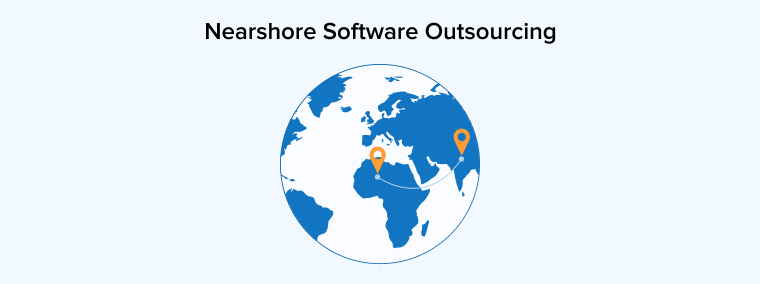
Onshore, nearshore, and offshore are 3 various service models for contracting out work to external partners. They differ based on the location of the partner, ease and speed of partnership, expense, and infrastructure. Here are the key differences: Onshore outsourcing includes partnering company processes with a company in the very same nation or neighboring town as the customer company.
Onshore outsourcing normally has the greatest expense due to the higher overall cost and operational costs in developed countries. Nearshore outsourcing has a moderate expense due to lower labour and functional costs in neighbouring countries. Offshore outsourcing has the most affordable cost due to substantially lower labour and operational expenses in developing countries.
Nearshore outsourcing may likewise have access to similar facilities, but offshore outsourcing might have restrictions in regards to facilities and innovation. Want to see whatever in one place? Understanding about the various outsourcing alternatives is just the initial step; picking the ideal outsourcing design for your project depends upon your particular needs and requirements.
When thinking about offshoring, nearshoring, or onshoring, each alternative has its advantages and downsides. offshoring and nearshoring may be an excellent fit if you require cost-effective services or top-tier expert abilities in developing nations. Additionally, onshoring is recommended if you value in-person cooperation and quick travel. It is also possible to integrate outsourcing designs, called multisource or hybrid outsourcing, to enhance expenses and find the very best skill for your app advancement needs.
Mastering Global Labor Laws Shifts for 2026Launch Scalable Global Operations for Minimize Risk
For instance, you can work with an onshore group for top-level tactical work that needs in-person collaboration, a nearshore team for design work, and an overseas team for advancement work. By utilizing multiple outsourcing models, you can enhance your expenses, find the finest talent where it matters, and ensure an effective outcome for your task.
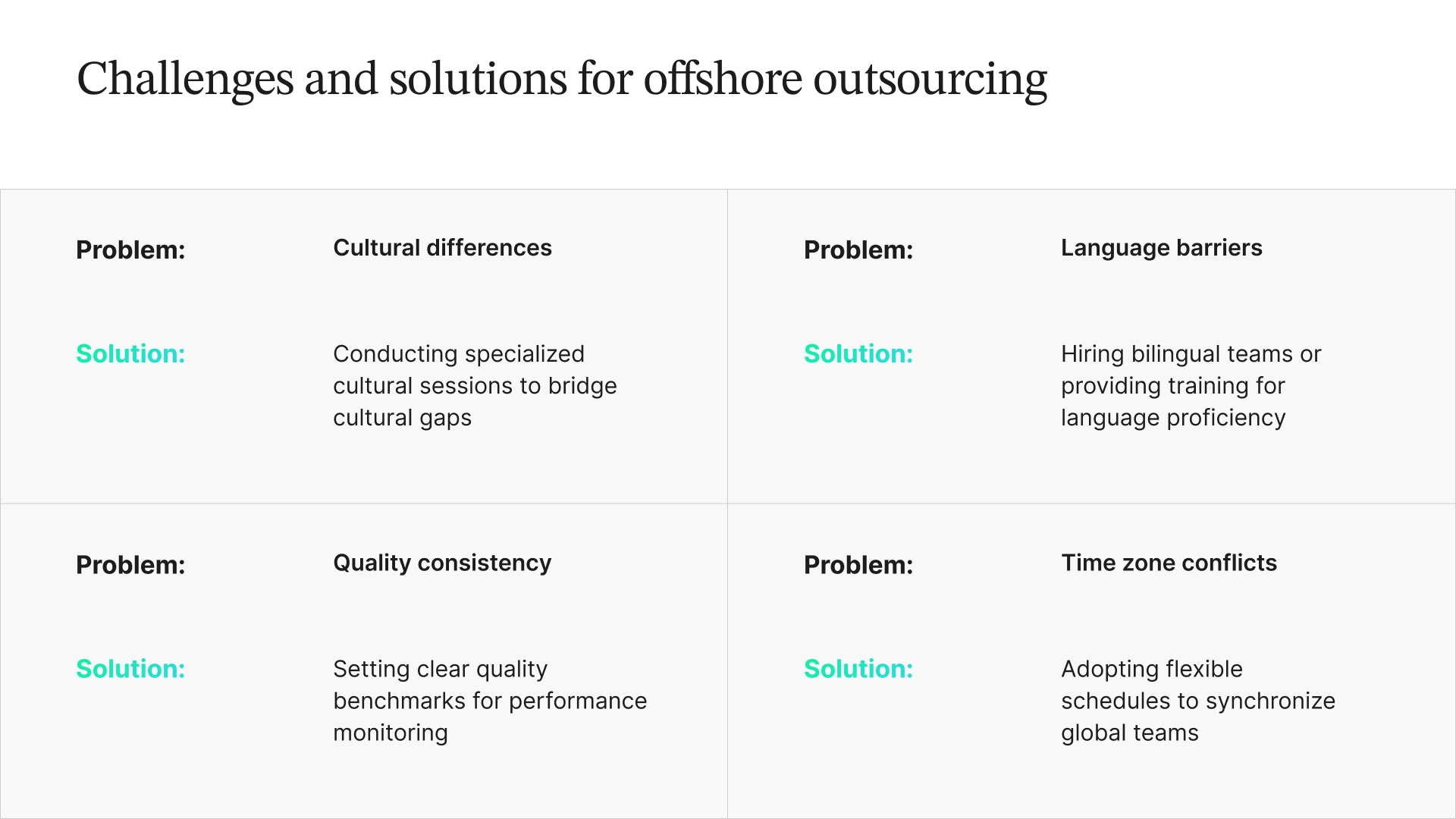
Onshore outsourcing usually has the highest cost due to the higher overall expense and operational expenses in developed countries. Nearshore outsourcing has a moderate expense due to lower labour and operational expenses in neighbouring countries. Offshore outsourcing has the lowest expense due to substantially lower labour and functional costs in developing countries.
Nearshore outsourcing may also have access to similar facilities, but offshore outsourcing might have limitations in terms of infrastructure and technology. Wish to see whatever in one place? Learning about the different outsourcing alternatives is just the first step; selecting the best outsourcing model for your project depends on your particular requirements and requirements.
Maximizing Business Output With Strategic GCC Solutions
When thinking about offshoring, nearshoring, or onshoring, each option has its advantages and downsides. It is likewise possible to combine outsourcing models, understood as multisource or hybrid outsourcing, to optimize costs and discover the finest skill for your app advancement needs.
You can hire an onshore group for high-level strategic work that needs in-person partnership, a nearshore team for design work, and an overseas group for development work. By utilizing numerous outsourcing models, you can enhance your costs, discover the very best talent where it matters, and guarantee a successful result for your job.

Latest Posts
Comparing Offshore and US Centers
Evaluating Nearshore and Local Centers
Why Labor Market Dynamics Shape GCC Strategy in 2026