All Categories
Featured

Can Nearshore Strategies Address the Growing Talent Gap?
Table of Contents
Nimble processes are divided into short, iterative cycles (often called "sprints") that allow groups to make incremental improvements and react quickly to changing scenarios. Each of these strategies uses special benefits, and organizations may select to embrace one or combine elements from numerous approaches to produce a tailored company procedure optimization method.

A successful business process optimization technique depends on numerous essential elements to guarantee its efficiency. These parts operate in tandem to optimize efficiency, streamline processes, and eventually drive development and success for your company. The structure of a reliable optimization strategy is ensuring that your processes are aligned with your overarching company objectives.
Plainly defining roles and duties within your company is essential for successful process optimization. This clearness helps avoid confusion, miscommunication, and duplication of efforts, leading to a more efficient and productive workplace. Efficient interaction is essential for successful optimization efforts. Developing open channels of interaction amongst staff member and departments ensures that everybody is on the same page and working towards the same objectives.
By automating repeated tasks and simplifying workflows, businesses can conserve time, minimize human error, and ultimately enhance total productivity.
Top Success Strategies for Launching America GCC Centers
In this section, we'll check out 3 hypothetical examples of companies that have actually effectively carried out business process optimization strategies to tackle their special challenges. Each example will highlight the particular actions taken and the positive outcomes experienced by these companies as they welcomed process optimization. Let's think about WidgetWorks, a manufacturing business focusing on the production of high-quality widgets.
To deal with these problems, WidgetWorks executed a company process optimization strategy that included the following actions: Examining their current production processes and recognizing bottlenecks and ineffectiveness. Keeping an eye on essential efficiency indicators (KPIs) to measure the success of their optimization efforts.
Next, let's take an appearance at TrendyThreads, a retail organization with numerous brick-and-mortar shops. They were battling with stock management, causing stockouts, excess stock, and ultimately lost sales. To deal with these difficulties, TrendyThreads executed a business procedure optimization method focused on improving inventory management: Developing a centralized inventory management system to provide real-time visibility into stock levels throughout all shops.
MoneyMatters carried out a service process optimization method to attend to these issues: Determining and examining the origin of customer support inadequacies. Implementing a Nimble job management approach to quickly test and fine-tune customer service enhancements. Using innovation, such as AI-powered chatbots and consumer relationship management (CRM) systems, to improve and personalize customer interactions.
Professional Review of Modern GCC Architectures
Routinely keeping an eye on customer feedback and satisfaction metrics to make sure continuous improvement. As an outcome of their optimization efforts, MoneyMatters considerably enhanced client service quality, lowered wait times, and increased consumer satisfaction and loyalty. Keep in mind, effective optimization methods involve lining up processes with business objectives, clarifying roles and obligations, fostering open interaction, leveraging innovation, and routinely determining efficiency.
Do not forget to continuously keep an eye on and fine-tune your processes, embracing techniques such as Lean, 6 Sigma, or Agile project management to streamline your operations. Take action now, and embark on your journey towards organization procedure optimization your organization will thank you for it!.
Process optimization explained simply means improving company procedures so companies can attain optimal performance, lower costs, and provide better results. In modern U.S. companies, process optimization describes utilizing structured approaches, technology, and employee involvement to streamline operations and enhance existing procedures. Companies across the nation increasingly count on optimized processes to handle intricate procedures, get rid of traffic jams, and fulfill broader service goals.
With more companies moving towards effective processes, constant improvement has ended up being vital. JuzSolutions supports U.S. government and commercial clients by carrying out service process optimization structures that enhance service procedures through organization-wide strategic efforts. The next section introduces what procedure optimization indicates in detail and how it links to company procedure management.
Optimizing GCC Capability Centers in 2026
MoneyMatters carried out a business procedure optimization technique to resolve these problems: Identifying and examining the source of customer support inadequacies. Implementing a Nimble project management technique to quickly check and refine customer support improvements. Utilizing innovation, such as AI-powered chatbots and customer relationship management (CRM) systems, to simplify and individualize customer interactions.
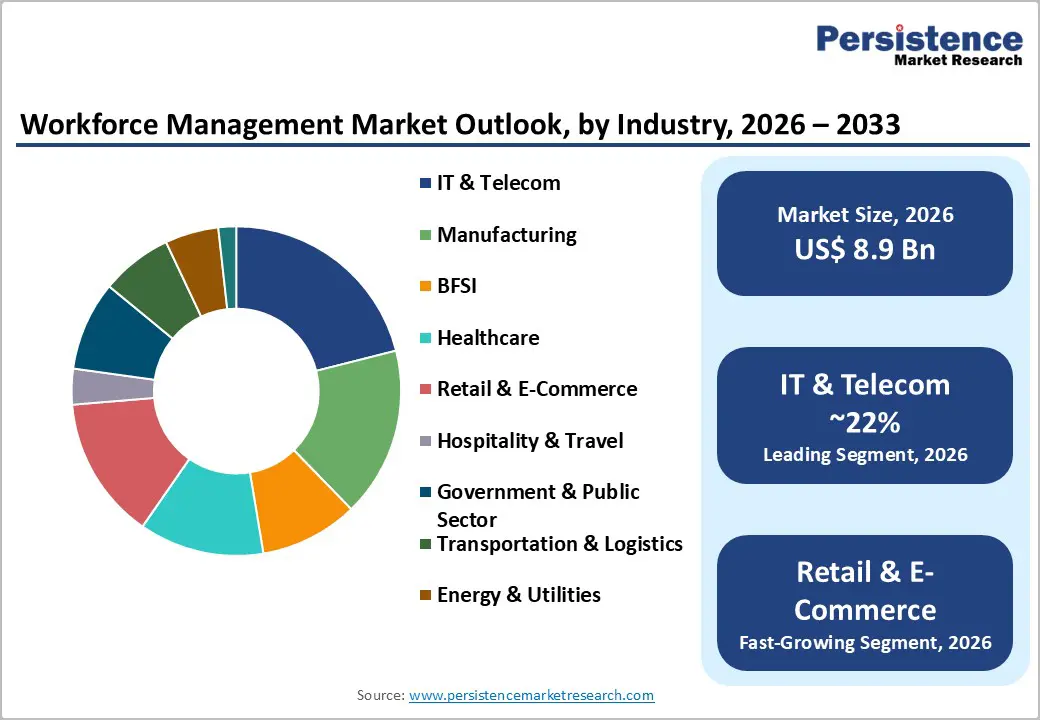
Forecasted Labor Changes in Worldwide Workforce ManagementRegularly monitoring consumer feedback and fulfillment metrics to ensure constant enhancement. As an outcome of their optimization efforts, MoneyMatters significantly enhanced client service quality, minimized wait times, and increased consumer satisfaction and loyalty. Keep in mind, effective optimization methods involve lining up processes with service objectives, clarifying roles and responsibilities, cultivating open interaction, leveraging innovation, and regularly measuring efficiency.
Forecasted Labor Changes in Worldwide Workforce ManagementDo not forget to continually monitor and fine-tune your processes, welcoming techniques such as Lean, Six Sigma, or Agile task management to enhance your operations. So, do something about it now, and start your journey towards business process optimization your company will thank you for it!.
Process optimization described merely means enhancing company processes so companies can attain optimal performance, minimize costs, and provide better results. In modern-day U.S. business, process optimization refers to using structured techniques, technology, and employee involvement to improve operations and enhance existing processes. Organizations throughout the country progressively depend on enhanced procedures to manage complex processes, remove bottlenecks, and meet more comprehensive business objectives.
With more companies shifting towards effective processes, constant improvement has actually ended up being vital. JuzSolutions supports U.S. government and commercial clients by executing company process optimization frameworks that improve business processes through organization-wide strategic initiatives. The next section introduces what process optimization implies in information and how it links to business process management.

Latest Posts

Comparing Offshore and US Centers

Evaluating Nearshore and Local Centers
Why Labor Market Dynamics Shape GCC Strategy in 2026